


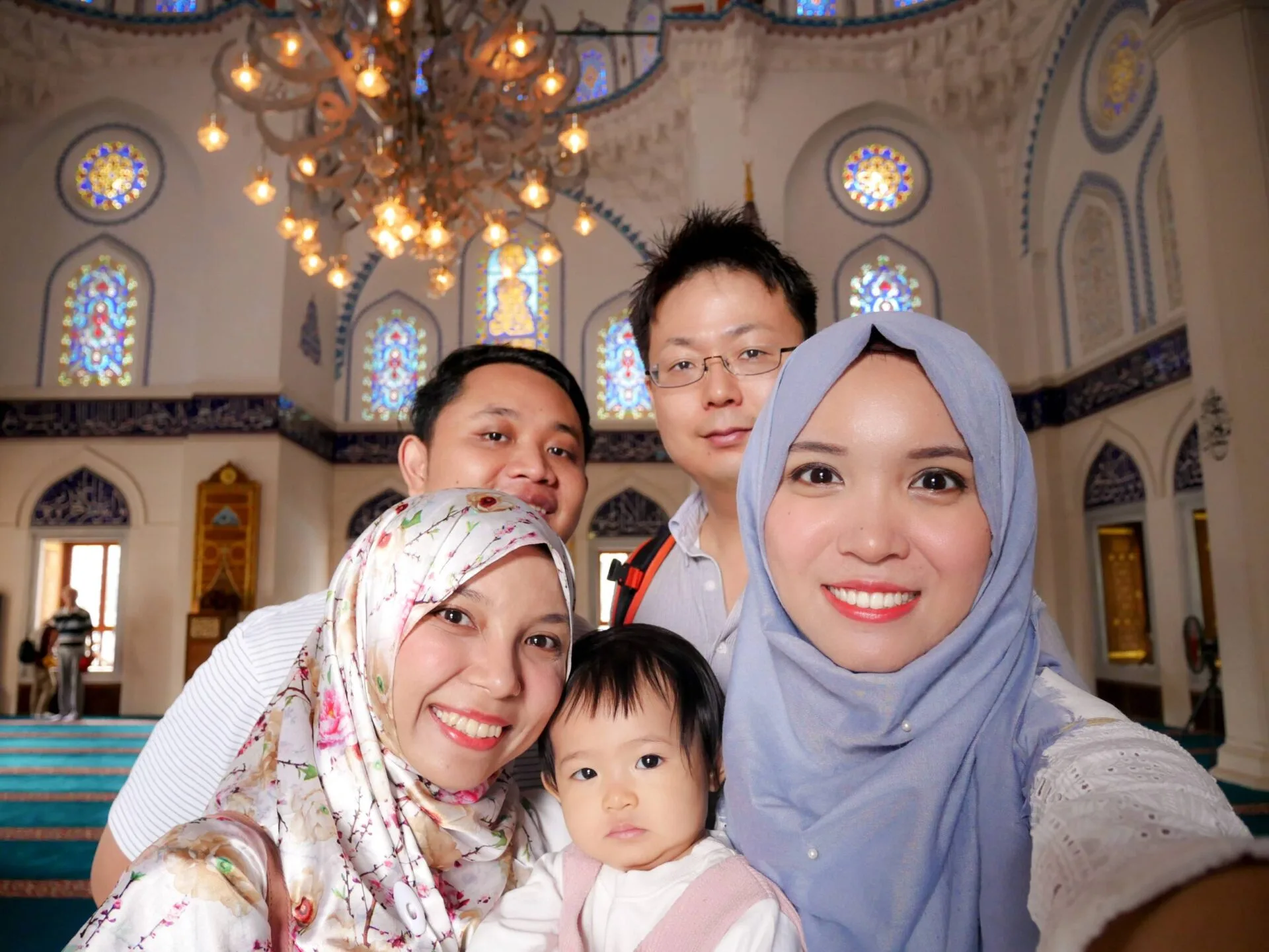

Japan is often described as one of the most culturally homogeneous countries in the world. Religion exists in daily life through Shinto rituals, Buddhist traditions, and seasonal festivals, but visible religious infrastructure tied to immigrant communities is relatively new. As the Muslim population grows, mosques in Japan have become an increasingly debated topic, raising questions about multiculturalism, immigration, local identity, and social coexistence.
The controversy surrounding mosques in Japan is not about religion alone. It reflects deeper anxieties about demographic change, global migration, and how a historically insular society adjusts to diversity. From neighborhood opposition meetings to academic debates on Islamophobia, mosques in Japan have become symbolic of Japan’s broader transformation.
Understanding why this issue generates strong reactions requires looking at history, demographics, local politics, and public perception.
Mosques In Japan: A Growing Presence
For most of modern history, Islam played only a minor role in Japanese society. The first mosque in Japan, Kobe Muslim Mosque, opened in 1935 and served a small expatriate population. For decades, Islamic institutions remained rare and largely unnoticed.
That changed in the late twentieth century. Economic globalization and labor migration brought increasing numbers of workers and students from Indonesia, Pakistan, Bangladesh, and the Middle East. As these communities settled, mosques in Japan began to grow in number.
By the late 2010s and early 2020s, more than one hundred mosques existed nationwide, compared to only a handful in the late twentieth century. This rapid growth reflects both demographic change and the need for religious infrastructure for Muslim residents.
Some mosques serve hundreds of worshippers weekly. Others function as community centers, cultural spaces, or educational facilities. Religious leaders often describe them as bridges between communities, not just places of prayer.
Yet their expansion has also brought controversy.
Local Opposition To Mosque Construction
One of the most consistent patterns in the debate over mosques in Japan is local resistance to new construction projects. Residents often express concern about noise, traffic, parking, or neighborhood character. But underlying these practical concerns are frequently cultural fears.
Academic research documents repeated cases of opposition meetings, petitions, and negotiations when mosque construction is proposed.
A well known example occurred in Fukuoka, where residents expressed anxiety about Islamic fundamentalism and global conflicts when plans for a mosque were announced. After more than ten meetings between community leaders and residents, an agreement was reached only after the mosque promised noise control, community participation, and on site staff.
Similar tensions have appeared in Kanazawa and other cities where mosques in Japan are planned in residential areas. Local communities often demand strict behavioral conditions before construction can proceed.
Even when compromise is achieved, the process reveals how unfamiliar religious practices can trigger social tension.
Property Values And Everyday Concerns
Opposition is not always framed in ideological terms. In many cases, residents express practical worries about how mosques might affect daily life.
Some homeowners fear that property values could fall if a mosque is built nearby. Others worry about increased traffic during Friday prayers or religious holidays. These concerns are frequently raised in local media coverage of mosque projects.
Urban planners and municipal officials must navigate these concerns carefully. Japan’s constitution guarantees freedom of religion, but zoning disputes and community pressure still shape outcomes.
The controversy surrounding mosques in Japan therefore operates at both legal and emotional levels. Even when construction is legally permitted, social acceptance is not guaranteed.
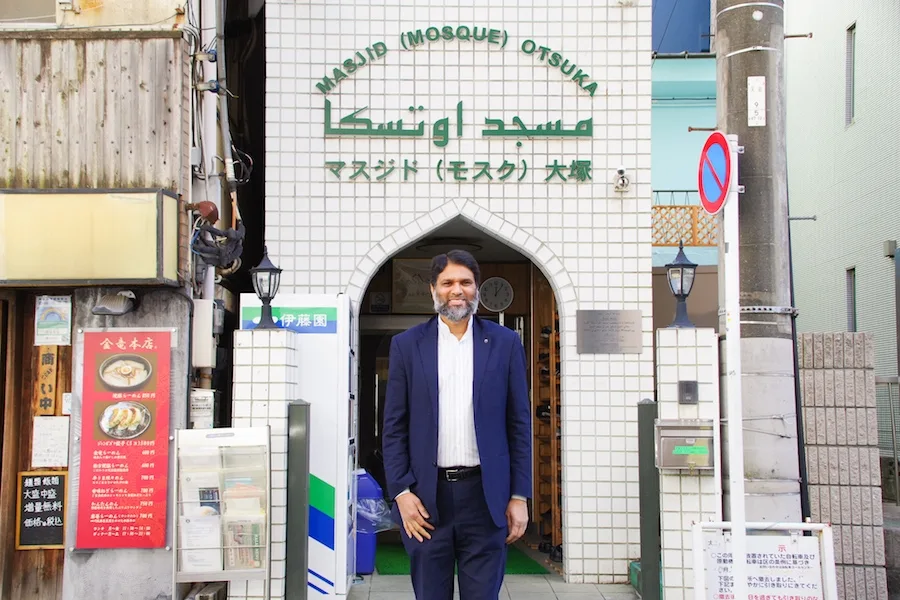
Political Reactions And Public Debate
As Muslim populations grow, the issue has moved beyond neighborhoods into national political discourse. Some politicians emphasize religious freedom and international responsibility. Others highlight social cohesion and immigration control.
Local governments sometimes face intense public pressure. Analysts note that online misinformation can quickly transform into coordinated political campaigns, especially when foreign residents or minority religions are involved.
In recent debates, some officials have framed mosque disputes as part of a broader challenge of managing immigration and cultural integration. Others stress that Japan must uphold constitutional protections regardless of public opinion.
The controversy over mosques in Japan has therefore become intertwined with debates about national identity.
Activist Voices And Accusations Of Islamophobia
Human rights advocates argue that many objections to mosques are rooted in misunderstanding rather than real risk. Scholars studying Islam in Japan describe a tension between formal tolerance and social unease.
Research suggests that Islam is often accepted as a cultural curiosity but viewed with suspicion when it becomes visible in daily life.
Some activists describe this as “cosmetic multiculturalism,” meaning diversity is welcomed symbolically but resisted when it challenges social norms.
Academic studies also warn that global media narratives about terrorism and conflict influence local perceptions of Muslims, even in places with limited direct contact.
From this perspective, the debate over mosques in Japan reflects broader patterns of religious prejudice shaped by international events rather than domestic experience.
Immigration And Social Anxiety
Mosques in Japan cannot be separated from immigration policy. Most Muslims in Japan are foreign residents or recent migrants. Their visibility raises questions about how much cultural change Japanese society is willing to accept.
As one recent analysis of Muslim population growth explains, expanding religious infrastructure is testing local cooperation and exposing social fault lines.
Issues such as burial practices, dietary needs, and public prayer create new demands on municipal systems that were historically designed for a largely uniform population.
These changes are not unique to Japan. Many countries have experienced similar tensions when new religious communities expand. However, Japan’s long history of relative cultural homogeneity makes adjustment particularly sensitive.
Supporters Of Mosques And Intercultural Dialogue
Despite controversy, many local leaders and community groups actively support mosques in Japan. Religious organizations emphasize education and outreach to reduce misunderstanding.
Some mosque projects include open house events, cultural festivals, and public lectures about Islamic practices. Community leaders often present mosques as opportunities for intercultural exchange rather than social division.
When Japan’s largest mosque opened near Nagoya, organizers described it as a place to promote understanding and dialogue between cultures.
This perspective frames mosques not as symbols of difference but as platforms for cooperation.
The Role Of Media And Online Narratives
Another factor intensifying controversy is media framing. Online discussions can amplify fear, spread rumors, or create polarized narratives.
Researchers note that rapid digital communication allows local issues to become national controversies almost instantly.
This dynamic makes mosques in Japan more politically charged than their physical scale might suggest. A small neighborhood project can become a symbol of immigration policy, national identity, or global religious conflict.
What The Debate Reveals About Japan
Ultimately, the controversy surrounding mosques in Japan reveals a society navigating rapid change. The issue is not simply about religion. It touches on questions of belonging, social cohesion, and how Japan defines itself in an era of globalization.
Japan’s legal framework supports religious freedom. Many communities successfully integrate mosques into local life. Yet social anxiety remains, especially in areas experiencing rapid demographic change.
The debate is ongoing and unresolved.
The Future Of Mosques In Japan
As Japan faces labor shortages and demographic decline, immigration is likely to continue. With immigration comes religious diversity, and with diversity comes negotiation.
Mosques in Japan will likely continue to grow in number and visibility. Whether they become normalized parts of the urban landscape or remain flashpoints of controversy depends on public dialogue, education, and policy decisions.
What is clear is that the conversation around mosques in Japan reflects a broader national moment. Japan is deciding how open it wants to be, how diversity fits into its identity, and what coexistence means in practice.
The outcome will shape not only religious communities but the future direction of Japanese society itself.