

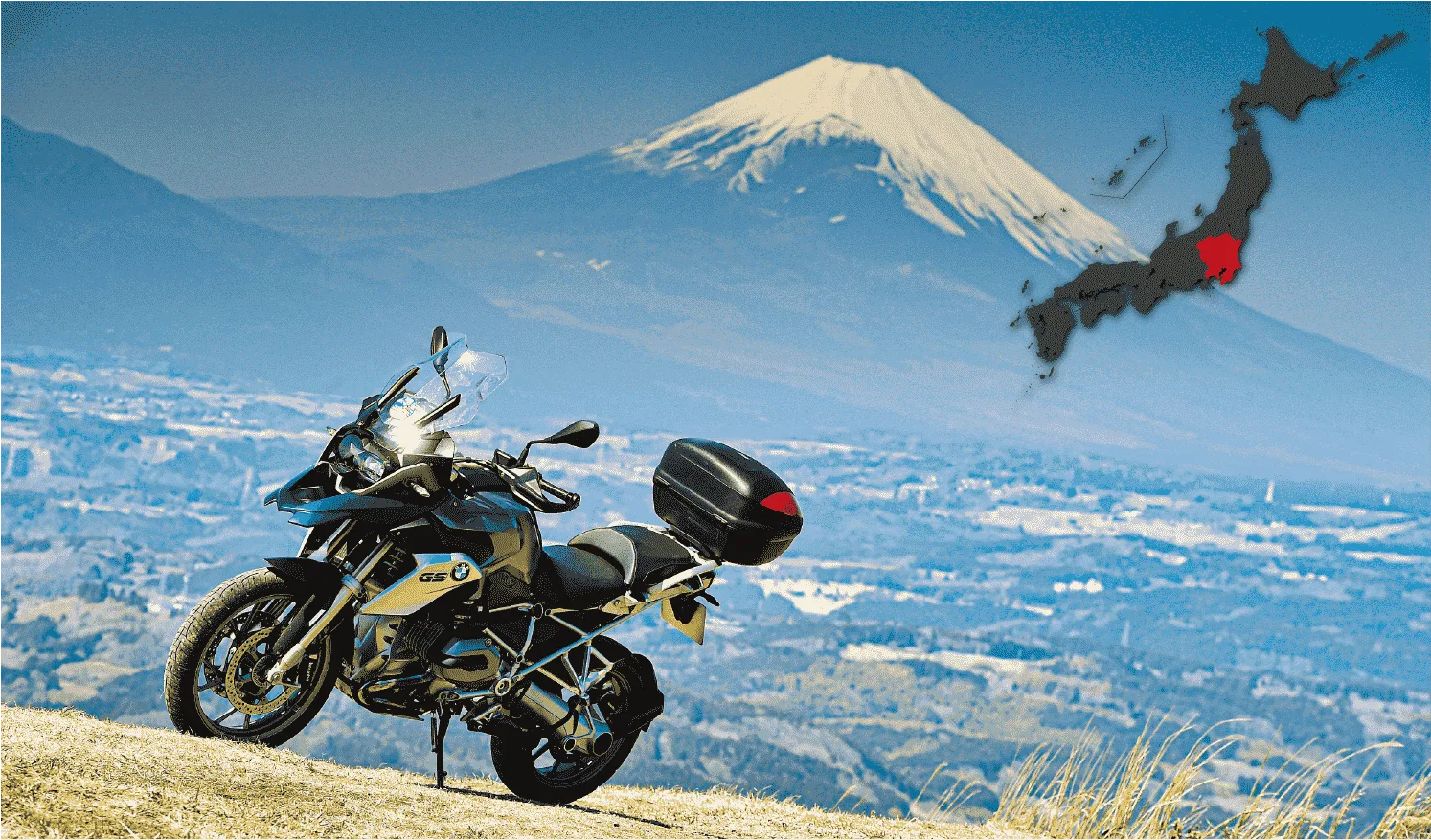
Motorcycles in Japan are a common sight, from small scooters weaving through city streets to large touring bikes cruising mountain roads. Riding in Japan offers a unique mix of efficiency, discipline, and scenic freedom, but the process of getting licensed and understanding the rules can feel intimidating at first. Japan takes road safety seriously, and motorcycle licensing reflects that mindset. Knowing what to expect makes the experience far smoother, whether you are a resident or planning a long stay.

This guide breaks down how to get a motorcycle license and what it means to legally and responsibly ride motorcycles in Japan.
Understanding Motorcycle License Categories in Japan
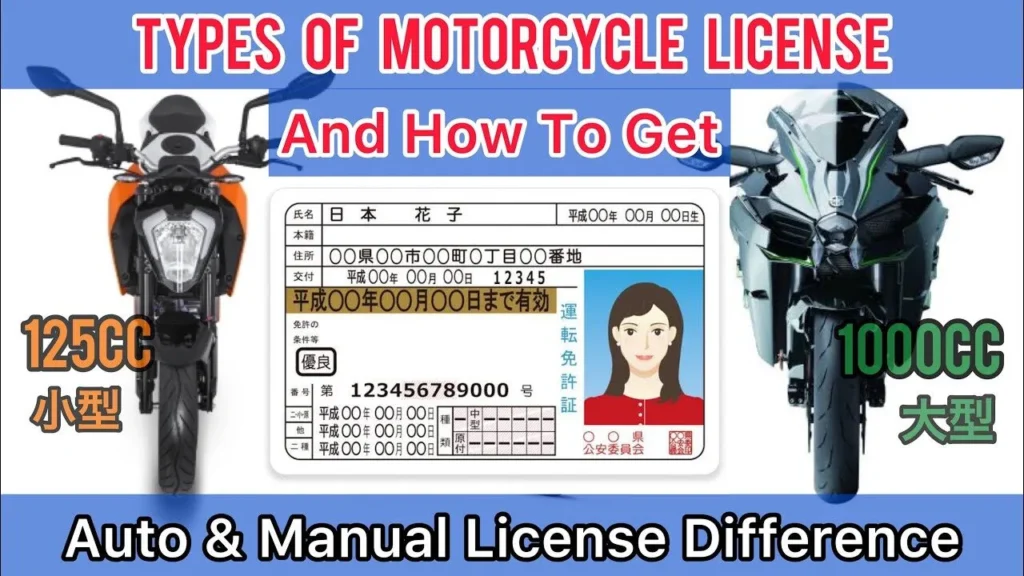
Before starting the process, it is important to understand the different motorcycle license types. Motorcycles in Japan are divided by engine size, and each category requires a specific license.
The first category is the small motorcycle license, which covers bikes up to 125cc. This includes many scooters and lightweight motorcycles commonly used for commuting. The second category is the standard motorcycle license, which covers bikes up to 400cc. This is one of the most popular options in Japan because it offers more power while remaining practical for city riding.
The highest category is the large motorcycle license, which allows riders to operate bikes over 400cc. This includes most international touring and sport motorcycles. Many riders view this license as the ultimate goal when riding motorcycles in Japan.
Each category builds on the previous one, and moving up requires additional testing or training.
Getting a Motorcycle License Through a Driving School
Most people choose to obtain their motorcycle license through a certified driving school. This is the most reliable route, especially for foreigners. Driving schools provide structured lessons, controlled practice environments, and guidance on passing the exams.
Training covers basic handling, slow speed balance, emergency braking, obstacle avoidance, and traffic awareness. Schools emphasize discipline and consistency, which reflects how motorcycles in Japan are treated as part of an orderly traffic system.
Courses typically take several weeks to complete, depending on how often you attend classes. While driving school can be expensive, it significantly increases your chances of passing the final test.
The Direct Testing Route at Licensing Centers
An alternative route is taking the test directly at a licensing center without attending driving school. This option is cheaper but far more difficult. The tests are known for being strict, and many applicants fail multiple times.
Examiners focus heavily on precision, posture, head movement, and safety checks. Minor mistakes can lead to failure. For many people, this route feels less forgiving, especially if they are unfamiliar with Japanese testing standards.
Because of this, most long term residents recommend driving school as the better option for getting licensed to ride motorcycles in Japan.
Converting a Foreign Motorcycle License
If you already have a motorcycle license from another country, you may be eligible to convert it. The process depends on your country of origin. Some countries have agreements with Japan that allow partial or full exemption from testing.
Conversion usually requires document verification, a vision test, and sometimes a short riding or written test. Even when conversion is possible, paperwork and appointments can take time.
This option can save effort, but it still requires patience and careful preparation. Understanding this process is important for foreigners planning to ride motorcycles in Japan.
Written and Practical Tests Explained
The written test covers traffic laws, road signs, and safety rules. It is available in multiple languages, including English, though translations can be awkward. Studying official materials is essential.
The practical test focuses on controlled riding rather than speed. Riders must demonstrate balance, proper signaling, shoulder checks, and hazard awareness. Slow speed sections, such as riding on a narrow beam, are particularly challenging.
These tests reflect Japan’s emphasis on safety and predictability when it comes to motorcycles in Japan.
Mandatory Equipment and Gear
Riding motorcycles in Japan requires proper gear. Helmets are mandatory at all times and must meet safety standards. Gloves are strongly recommended, and many riding schools require them.
While jackets and boots are not legally required, wearing protective gear is common and encouraged. Riding without proper equipment may not result in a fine, but it increases risk and draws unwanted attention.
Motorcycles in Japan are often ridden in dense traffic, making protective gear an important part of responsible riding.
Traffic Rules Specific to Motorcycles
Japan has several traffic rules that specifically affect motorcycles. Lane splitting, common in some countries, is generally not allowed. Motorcycles must follow the same lane rules as cars.
Two step right turns are required for smaller motorcycles at certain intersections. Riders must stop, reposition, and wait for the next signal before completing the turn. This rule surprises many new riders.
Motorcycles in Japan are also subject to strict speed enforcement. Speed cameras and police patrols are common, especially on highways and mountain roads.
Parking and Storage Challenges
Parking is one of the biggest challenges for motorcycles in Japan. Many parking lots do not allow motorcycles, and street parking is heavily regulated.
Dedicated motorcycle parking exists but can be limited, especially in cities. Riders must plan ahead and learn where parking is permitted. Improper parking can result in fines or towing.
This reality shapes how motorcycles in Japan are used, with many riders choosing smaller bikes that are easier to store.
Highways and Long Distance Riding
Motorcycles in Japan are allowed on highways if they are over 125cc. Tolls apply, though motorcycles sometimes receive discounts.
Japan’s highways are well maintained and safe, making long distance riding enjoyable. Rest areas are frequent and clean, offering food, fuel, and rest stops.
Many riders enjoy touring through rural regions, coastal roads, and mountain passes. These routes reveal a side of Japan rarely seen by train travelers.
Cultural Expectations and Riding Etiquette
Riding motorcycles in Japan comes with unspoken social expectations. Riders are expected to be quiet, predictable, and respectful. Excessive noise, aggressive riding, or revving engines draws negative attention.
This cultural context influences how motorcycles in Japan are perceived. Riders who follow rules and blend into traffic are generally accepted, while those who stand out may face complaints.
Understanding these norms helps riders integrate smoothly into Japanese road culture.
The Future of Motorcycles in Japan
As cities grow denser and environmental concerns increase, motorcycles in Japan may play a larger role in transportation. Electric motorcycles and scooters are slowly gaining popularity, especially for urban commuting.
At the same time, licensing standards remain strict, ensuring that safety stays a priority. This balance between accessibility and discipline defines the future of riding in Japan.
Conclusion
Getting licensed and riding motorcycles in Japan requires commitment, patience, and respect for local rules. While the process may seem complex, it reflects a broader culture of safety and order.
For those willing to adapt, motorcycles in Japan offer freedom, efficiency, and access to some of the country’s most beautiful landscapes. With the right preparation, riding in Japan can be both rewarding and unforgettable.