

Gift giving in Japan is not just a polite gesture. It is a deeply structured social language with clear rules, timing, and meaning. Understanding gifts in Japan means understanding how relationships are maintained, repaired, and strengthened. From souvenirs brought back from trips to apology gifts meant to smooth over mistakes, each type of present carries a message that goes far beyond its price tag.

For visitors and residents alike, learning the system of gifts in Japan can feel complex at first. But once understood, it reveals how much care Japanese society places on harmony, respect, and awareness of others.
Omiyage and the Responsibility of Travel Gifts
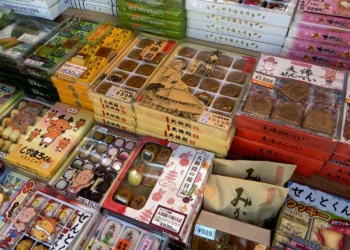
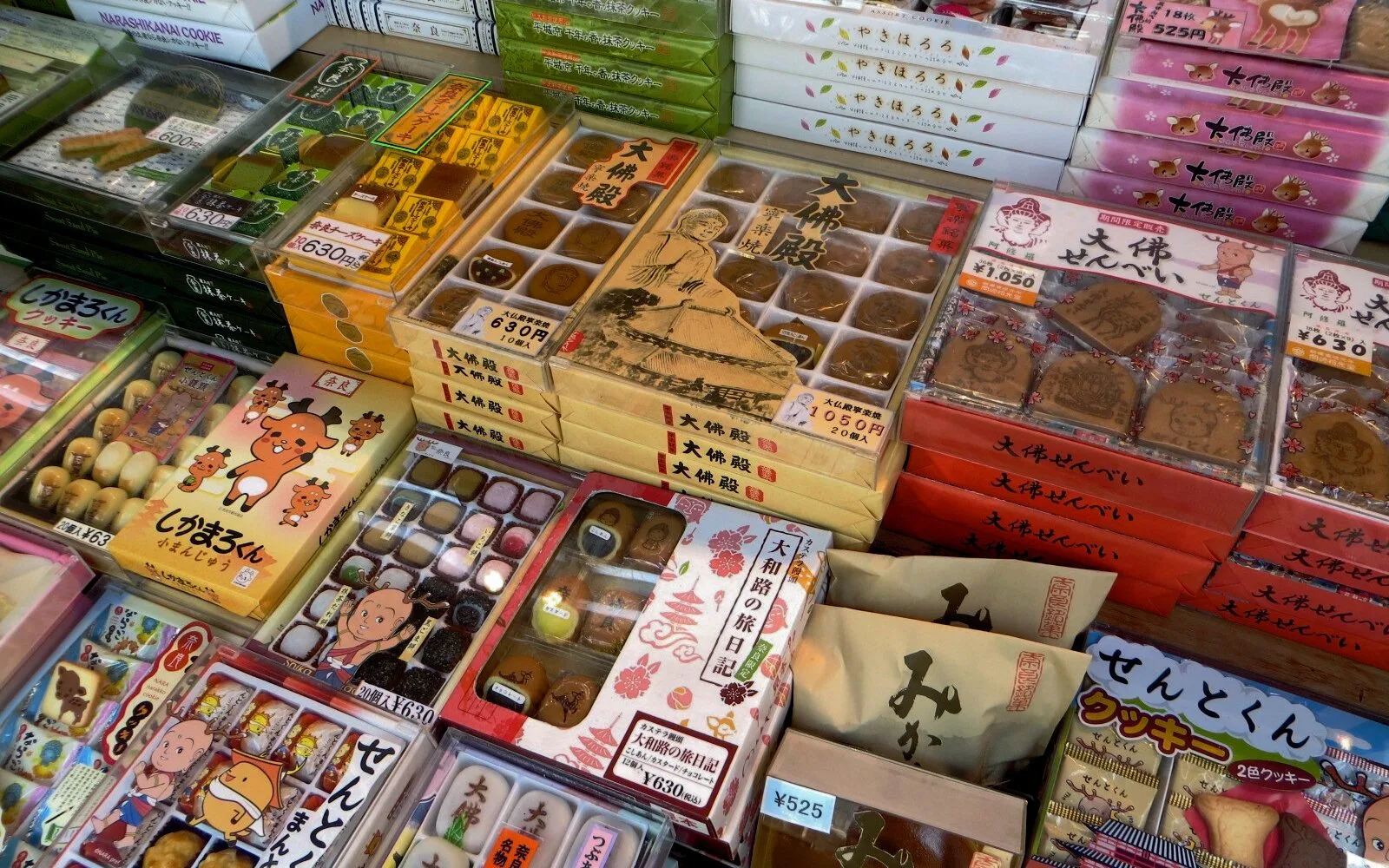
One of the most well known forms of gifts in Japan is omiyage. Omiyage are souvenirs brought back from trips, usually for coworkers, friends, or family. Unlike souvenirs in many countries, omiyage are not personal keepsakes but obligations.
When someone travels, especially for work or leisure, it is expected they will bring back omiyage. These gifts are typically food items that are locally famous, individually wrapped, and easy to distribute. The purpose is not luxury but thoughtfulness.
Omiyage represents consideration. It says I was thinking of you even when I was away. In the world of gifts in Japan, forgetting omiyage can be seen as inconsiderate, especially in workplace settings.
Temiyage and Visiting Etiquette
Temiyage are gifts brought when visiting someone’s home. This could be a dinner invitation, a first meeting with family, or a formal visit. Temiyage are usually consumable items such as sweets, fruit, or alcohol.
The value of temiyage depends on the relationship and occasion. Too cheap may feel careless. Too expensive may create discomfort. Balance is key.
In gifts in Japan, temiyage represent respect for hospitality. They acknowledge the effort the host has made and help maintain social balance.
Kashiori and Apology Gifts
One of the most culturally specific forms of gifts in Japan is kashiori. Kashiori are apology gifts given when someone has caused inconvenience, trouble, or offense. These gifts are not meant to erase the mistake but to show sincerity.
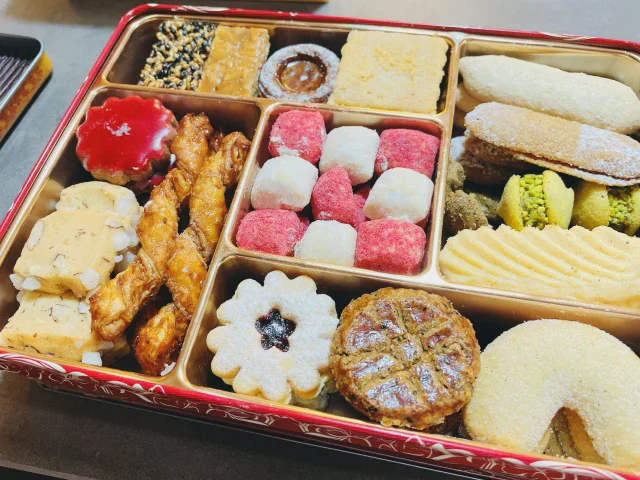
Common kashiori include boxed sweets, pastries, or items that feel formal and neutral. The presentation is extremely important. The gift is often accompanied by a deep bow and a verbal apology.
In gifts in Japan, kashiori play a crucial role in conflict resolution. They help restore harmony without confrontation. Even in business, apology gifts can deescalate serious issues.
Okaeshi and the Obligation to Return Gifts
Okaeshi are return gifts given after receiving something. This often happens after weddings, funerals, childbirth gifts, or seasonal presents. The rule is that the return gift should be worth roughly half the value of the original gift.
Okaeshi ensures balance. It prevents one side from feeling indebted. This concept is central to gifts in Japan, where equality in relationships is highly valued.
Common okaeshi include towels, food, soaps, or gift catalogs that allow the recipient to choose something themselves.
Chugen and Oseibo Seasonal Gifts
Chugen and oseibo are seasonal gifts given in summer and winter respectively. These are often sent to bosses, mentors, clients, or relatives to express gratitude for ongoing support.
Chugen is usually given in midsummer, while oseibo is given at the end of the year. Typical items include food, alcohol, or household goods.
These seasonal traditions highlight how gifts in Japan are tied to time and social cycles. They reinforce long term relationships rather than celebrating single events.
Shugi and Koden Monetary Gifts
Monetary gifts are also common forms of gifts in Japan, but they follow strict rules. Shugi refers to celebratory money given at weddings or joyous events. Koden refers to condolence money given at funerals.
The amount, envelope design, and even how the bills are arranged matter. For weddings, new bills are used. For funerals, bills should not be crisp.
These customs show how gifts in Japan extend into emotional and ceremonial spaces, with etiquette guiding even the smallest details.
Senbetsu and Farewell Gifts
Senbetsu are gifts given to someone who is leaving, such as moving abroad, starting a new job, or going on a long trip. These gifts often include money or practical items.
Senbetsu represents encouragement and support. It says good luck and come back safely. In return, the person who left may later give omiyage, completing the cycle.
This exchange reflects how gifts in Japan often function in pairs rather than as one way gestures.
Business Gifts and Professional Boundaries
In business settings, gifts in Japan are handled carefully. Gifts may be exchanged during meetings, contract signings, or seasonal greetings. However, there are clear boundaries to avoid bribery or favoritism.
Business gifts are usually modest, branded, and symbolic. The act of giving is more important than the item itself.
Presentation, timing, and wording are all crucial. A poorly handled business gift can cause discomfort rather than goodwill.
Packaging and Presentation
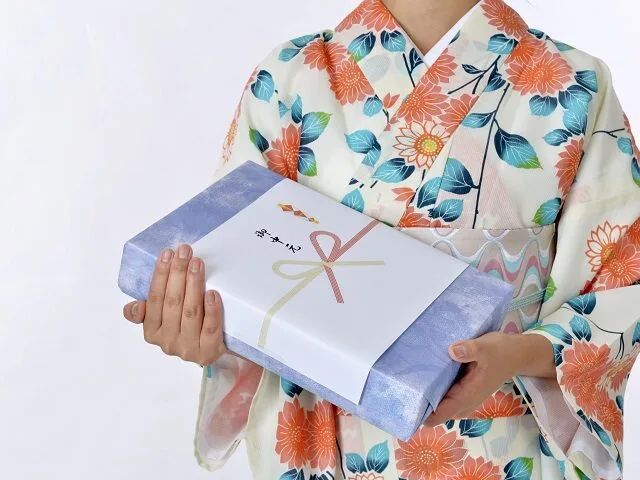
One of the most striking aspects of gifts in Japan is packaging. Wrapping is an art form. The way a gift is wrapped communicates care, respect, and effort.
Furoshiki cloth wrapping, decorative boxes, and careful folding are all common. Often, the wrapping is considered as important as the gift itself.
This attention to presentation reinforces the idea that gifts in Japan are about intention rather than material value.
What Gifts Say About Japanese Society
At its core, gifts in Japan reflect a society built on awareness of others. Gift giving is not spontaneous but thoughtful, structured, and deeply symbolic.
Gifts help maintain harmony, express gratitude, repair mistakes, and mark transitions. They allow people to communicate emotions that may not be spoken directly.
Understanding gifts in Japan offers insight into how relationships are managed with care and subtlety.
Conclusion
Gifts in Japan are far more than objects exchanged on special occasions. They are tools of communication, balance, and respect. From omiyage and temiyage to kashiori and okaeshi, each gift carries meaning shaped by centuries of social practice.
For anyone living in or visiting Japan, learning these customs is not about perfection but intention. When given with sincerity and awareness, gifts in Japan open doors, smooth relationships, and offer a deeper connection to the culture itself.