


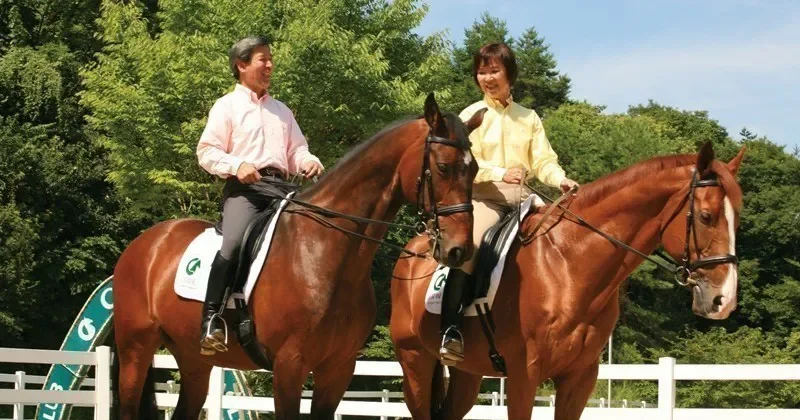
Horse riding in Japan is a niche world that blends ancient tradition, rural culture, elite sport, and modern leisure. While Japan is often associated with bullet trains and dense cities, there is a quieter side of the country where horses remain deeply connected to history and daily life. From sacred rituals and countryside farms to professional racing and casual riding schools, horse riding in Japan offers a surprisingly wide range of experiences for locals and visitors alike.
Although it may not be as visible as in countries known for equestrian culture, horse riding in Japan has a long past and a growing present. Understanding where to ride and how the scene works reveals a side of Japan that many travelers never see.
The Historical Roots of Horse Riding in Japan
Horse riding in Japan dates back over a thousand years. Horses were introduced from the Asian continent and quickly became essential for warfare, transportation, and agriculture. During the samurai era, horseback riding was a core skill. Mounted archery, known as yabusame, remains one of the most famous examples of traditional horse riding in Japan.
Yabusame events are still performed at Shinto shrines across the country, including Kamakura and Nikko. These ceremonies reflect the spiritual role horses played in Japanese society, where they were believed to carry messages to the gods. Even today, ema wooden prayer plaques often depict horses, a reminder of how deeply embedded they are in Japanese culture.
These historical traditions form the foundation of modern horse riding in Japan, even as the activity has shifted from necessity to sport and leisure.
Modern Horse Riding Culture in Japan
Today, horse riding in Japan exists in several parallel worlds. There is the elite world of professional racing, the disciplined sphere of competitive equestrian sports, and the more relaxed environment of recreational riding schools and rural experiences.
For many Japanese riders, horse riding is seen as a refined hobby. It requires patience, respect, and discipline, values that align closely with broader Japanese cultural ideals. Riding schools emphasize proper etiquette, careful grooming, and building trust with the horse rather than speed or aggression.
Horse riding in Japan is also associated with calm and mental balance. Riders often describe it as an escape from city life, offering physical activity combined with emotional grounding.
Horse Racing and Its Influence
No discussion of horse riding in Japan is complete without mentioning horse racing. Japan has one of the most successful and lucrative horse racing industries in the world. The Japan Racing Association manages major racecourses, and races attract massive crowds and betting activity.
While racing differs from leisure riding, it has helped maintain public interest in horses and contributed to high standards of breeding and training. Famous racehorses become national icons, and many people who later take up horse riding in Japan are first introduced to horses through racing culture.
Some riding clubs are even located near race training centers, allowing visitors to see both sides of Japan’s equestrian world.
Where to Experience Horse Riding in Japan
Horse riding in Japan is most accessible outside major cities, though urban riding clubs do exist. The countryside provides space, nature, and a slower pace that suits horseback riding perfectly.
Hokkaido
Hokkaido is widely considered the heart of horse riding in Japan. Known for its wide open landscapes, cool climate, and strong farming culture, Hokkaido offers trail riding, ranch stays, and beginner friendly programs.
Many farms in Hokkaido allow riders to explore forests, hills, and open fields. The island is also home to major horse breeding operations, making it ideal for those interested in the deeper world of horse care and training.
Nagano
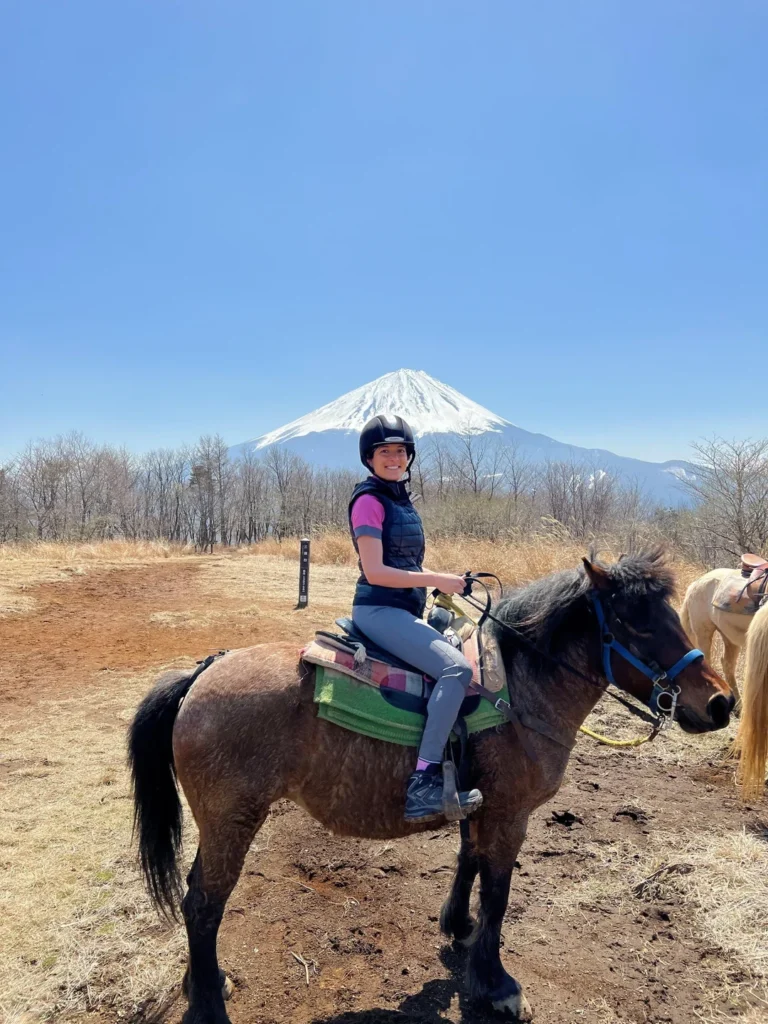
Nagano’s mountainous terrain makes it another popular destination for horse riding in Japan. Riding schools here often focus on trail riding through forests and highland areas. In summer, the cool weather makes it especially appealing.
Nagano is also known for combining horse riding with wellness travel. Some locations offer yoga, hot springs, and farm stays alongside riding experiences.
Kamakura and Kanagawa
For those near Tokyo, Kamakura and parts of Kanagawa offer a connection between history and horse riding in Japan. While large scale trail riding is limited, visitors can attend yabusame events and find riding clubs within reach of the city.
This region is ideal for people interested in the cultural and ceremonial side of horse riding in Japan rather than long countryside rides.
Kyushu
Kyushu provides a different flavor of horse riding in Japan, with volcanic landscapes and rural charm. Areas like Aso offer riding experiences with dramatic scenery, including grasslands shaped by volcanic activity.
Kyushu is also known for relaxed hospitality, making it a welcoming place for beginners and foreign visitors interested in trying horse riding in Japan for the first time.
Horse Riding Schools and Accessibility
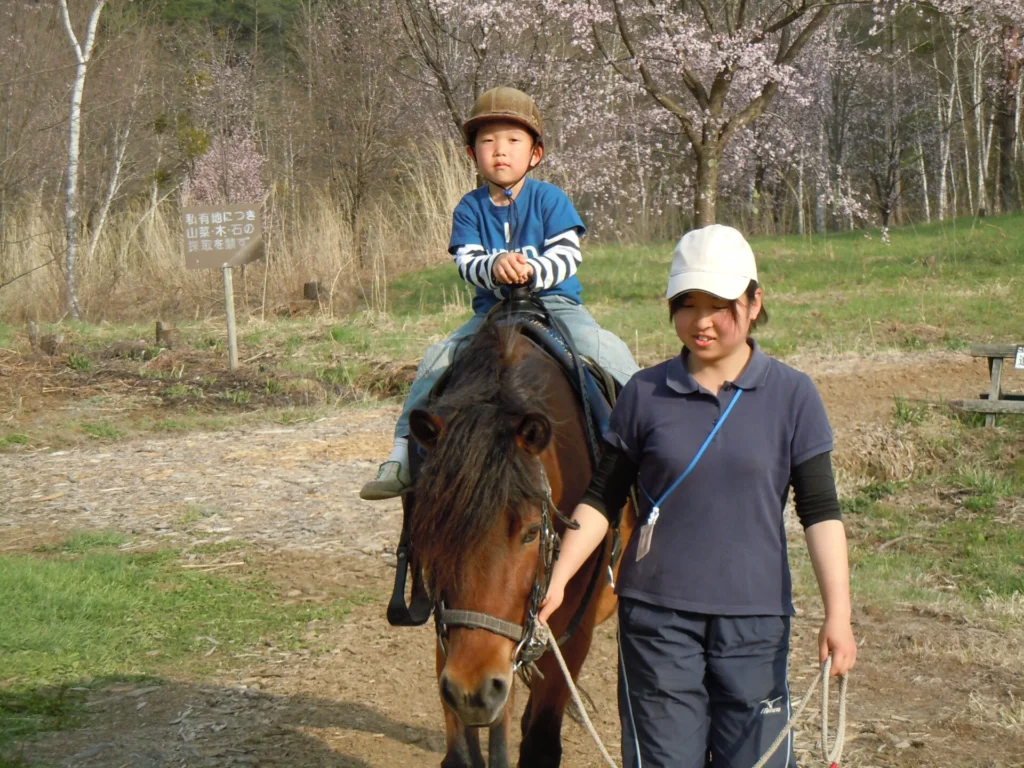
Most people experience horse riding in Japan through riding schools. These schools cater to beginners, intermediate riders, and advanced equestrians. Lessons often begin with stable work, including grooming and feeding, before moving to riding itself.
English friendly riding schools exist, especially in tourist regions like Hokkaido. However, many operate primarily in Japanese. Despite this, horse riding in Japan remains accessible to foreigners because instructors rely heavily on demonstration and hands on guidance.
Safety standards are high. Helmets are mandatory, and lessons progress slowly to ensure rider confidence and horse welfare.
Costs and Practical Considerations
Horse riding in Japan can be expensive compared to some countries. Urban riding clubs charge higher fees due to land costs, while rural areas tend to be more affordable.
Short riding experiences range from casual thirty minute sessions to half day trail rides. Longer programs and memberships require a greater commitment, both financially and in time.
For travelers, booking in advance is recommended, especially during peak seasons. Weather also plays a role, as many riding experiences are seasonal.
The Social Side of Horse Riding in Japan
Horse riding in Japan attracts a diverse group of people, from young professionals seeking balance to retirees enjoying nature. There is a strong sense of community within riding clubs, where shared care of horses creates lasting bonds.
Unlike more competitive sports, horse riding in Japan often emphasizes cooperation rather than rivalry. Riders help one another, share responsibilities, and learn collectively. This atmosphere makes it appealing to those looking for meaningful hobbies rather than status driven activities.
The Future of Horse Riding in Japan
While horse riding in Japan remains a niche pursuit, interest is slowly growing. Rural revitalization efforts and experiential tourism have brought new attention to horseback riding as a way to connect with nature and tradition.
Younger generations are discovering horse riding through social media and travel experiences. At the same time, aging rural populations see riding tourism as a way to sustain local economies.
As Japan continues to promote regional travel, horse riding in Japan is likely to become more visible to both domestic and international audiences.
Conclusion
Horse riding in Japan offers a unique blend of history, discipline, and natural beauty. From ancient rituals like yabusame to peaceful trail rides in Hokkaido and Kyushu, the experience goes far beyond a simple leisure activity.
For those willing to step away from the city and explore a quieter side of the country, horse riding in Japan provides a deeper connection to land, tradition, and self. Whether you are a beginner or an experienced rider, Japan’s equestrian world has something unexpected and rewarding to offer.


Turn your interior into a space you truly love with high-end finishing tailored to your vision – [url=https://interiordecorationss.blogspot.com/2026/01/interior-finishing-in-homes-style.html]Just right now![/url]