


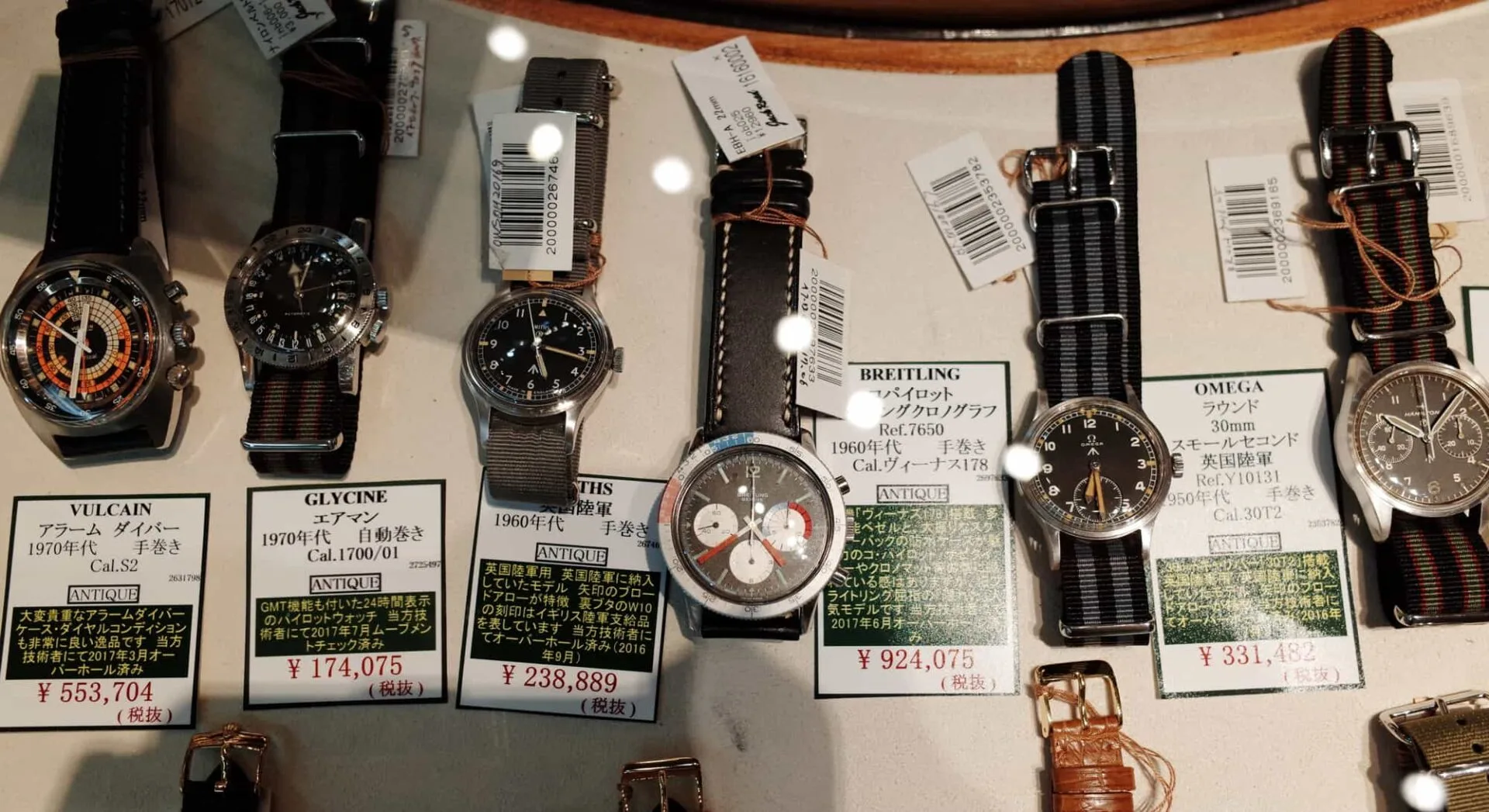
Japan has long been known for its deep respect for craftsmanship, precision, and history. These values come together perfectly in the world of vintage watches in Japan. From small independent shops in Tokyo backstreets to internationally famous dealers in Ginza and Nakano, the country has built one of the most trusted and influential vintage watch markets in the world. Collectors from Europe, the United States, and Asia all look to Japan as a gold standard for quality, authenticity, and care. The rise of vintage watches in Japan is not accidental. It is the result of cultural habits, economic timing, and a unique approach to ownership and preservation.
Below is a deep dive into why vintage watches in Japan have become such a powerful force in the global market.
A Culture Built on Craftsmanship and Precision
At the heart of vintage watches in Japan is a cultural respect for craftsmanship. Japanese society places a high value on things that are made well and built to last. This mindset applies not only to traditional crafts like pottery or textiles but also to mechanical objects.
Watches are seen as functional art. The intricate movements, hand finished parts, and long history behind many Swiss and Japanese brands align perfectly with Japanese ideas of mastery and dedication. When mechanical watches began losing popularity in other parts of the world during the quartz boom, many collectors in Japan continued to appreciate the beauty of traditional watchmaking.
This cultural foundation created fertile ground for vintage watches in Japan to grow and thrive.
The Impact of the Quartz Revolution
One of the most important historical reasons vintage watches in Japan are so abundant today is Japan’s role in the quartz revolution. In the 1970s, Japanese companies like Seiko led the shift toward quartz watches, which were more accurate and affordable than mechanical ones.
As quartz watches took over, mechanical watches lost favor among everyday consumers. In Japan, many people simply stored their older mechanical watches rather than throwing them away. They were kept in drawers, closets, or safety deposit boxes, often in excellent condition.
Decades later, these forgotten timepieces resurfaced, creating a large and well preserved supply. This is a key reason why vintage watches in Japan are often found in better condition than those elsewhere.
Japanese Standards of Care and Condition
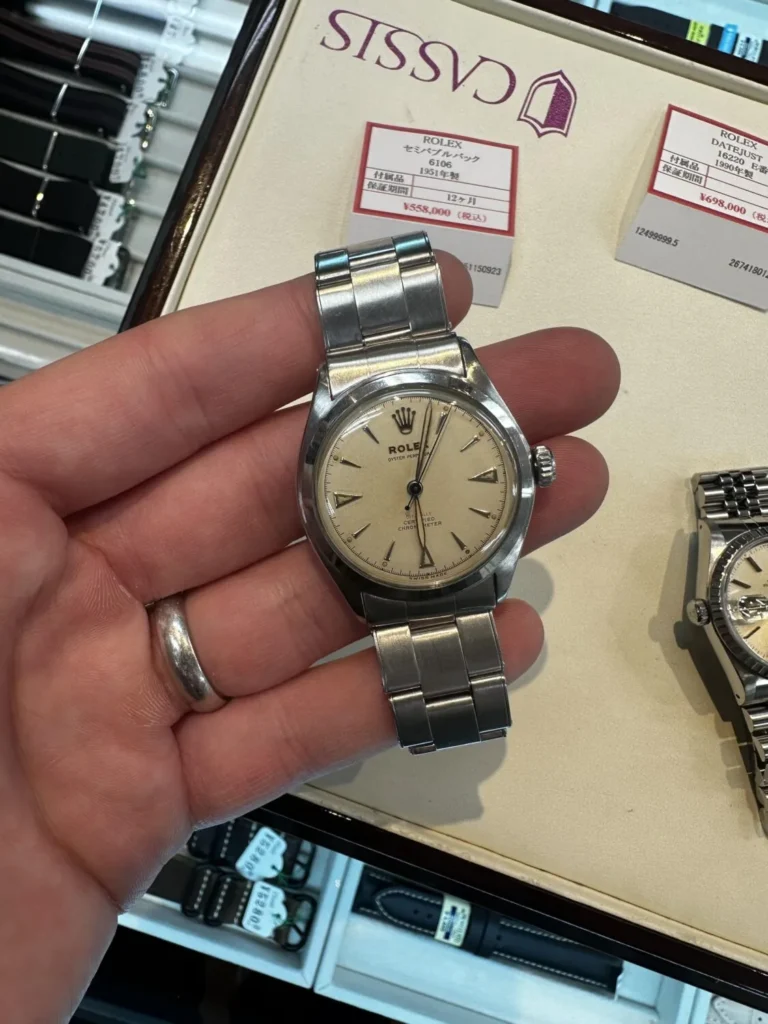
Condition is everything in the vintage watch world, and this is where vintage watches in Japan truly stand out. Japanese owners are known for treating their belongings with care and respect. Watches are cleaned regularly, serviced properly, and stored carefully.
It is common to find vintage watches in Japan with original boxes, papers, tags, and service records. Even watches that show signs of wear are usually honest and well maintained, not abused or modified.
Japanese dealers are also famously strict about grading. A watch described as good condition in Japan might be labeled excellent elsewhere. This conservative approach has helped build international trust in vintage watches in Japan.
A Strong Domestic Collector Base
Another reason vintage watches in Japan are so prominent is the strength of the domestic collector community. Japanese collectors are deeply knowledgeable and often specialize in specific brands, references, or eras.
Some focus entirely on vintage Rolex sports models. Others collect obscure chronographs, military watches, or early Japanese brands. This level of specialization pushes the market forward and encourages research, documentation, and education.
Because demand exists within Japan itself, vintage watches in Japan are not solely dependent on foreign buyers. This internal market stability has allowed dealers to take a long term approach rather than chasing short term trends.
The Role of Specialized Watch Districts
Geography also plays a role in the success of vintage watches in Japan. Certain areas have become known globally as watch destinations. Ginza offers high end dealers with museum level pieces. Nakano, especially around Nakano Broadway, is famous for its dense concentration of watch shops catering to all budgets.
These districts create competition, transparency, and variety. Collectors can compare prices, conditions, and authenticity across multiple stores in one visit. This ecosystem strengthens trust and attracts international visitors.
For many collectors, a trip to Japan specifically to shop for vintage watches in Japan is considered a rite of passage.
Trust, Authenticity, and Low Fraud
The vintage watch market worldwide struggles with fakes, altered parts, and dishonest sellers. One reason vintage watches in Japan are so respected is the country’s low tolerance for fraud.
Japanese consumer protection laws are strict, and social consequences for dishonesty are severe. Dealers stake their reputations on accuracy and transparency. Many shops openly disclose replaced parts, refinished dials, or service histories.
This honesty has positioned vintage watches in Japan as safer purchases, especially for international buyers who may not be experts.
Influence of Japanese Watch Media and Publications
Japan has played a major role in shaping global watch culture through magazines, books, and photography. Japanese watch publications are known for their deep research, detailed macro photography, and historical accuracy.
These publications helped elevate vintage watches from old tools to collectible art. They also introduced Western collectors to rare references and Japanese market only models.
The educational aspect of these publications further fueled interest in vintage watches in Japan and helped establish the country as an authority on the subject.
Economic Factors and Timing
Economic conditions also contributed to the rise of vintage watches in Japan. During periods of economic uncertainty, tangible assets like watches gained appeal. Vintage watches offered a combination of beauty, history, and potential value retention.
Because many vintage watches in Japan were acquired long before prices surged globally, dealers and collectors were able to hold inventory without pressure. This allowed for thoughtful curation rather than rapid flipping.
As global demand increased, Japan was already prepared with supply, knowledge, and infrastructure.
Why Global Collectors Look to Japan First
Today, when collectors search for rare or high quality pieces, vintage watches in Japan are often the first stop. The combination of condition, authenticity, fair pricing, and professional service is hard to match.
Even as prices rise, buyers are willing to pay a premium for peace of mind. Japanese dealers often provide detailed photos, transparent descriptions, and careful packaging for international shipping.
This global trust has turned Japan into a central hub for the vintage watch world.
The Future of Vintage Watches in Japan
Looking ahead, vintage watches in Japan are likely to remain influential, though challenges exist. Supply is finite, and younger collectors may approach watches differently. However, Japan’s ability to adapt suggests the market will evolve rather than disappear.
More online platforms, international outreach, and education aimed at younger audiences are already emerging. At the same time, the core values that built the market remain unchanged.
Vintage watches in Japan are not just about timekeeping. They represent history, care, and cultural respect for objects that endure. That mindset ensures Japan will continue to shape the global vintage watch market for years to come.

