No products in the cart.


MLB in Japan: Japanese Prospects, Big Signings, and the Future of Baseball
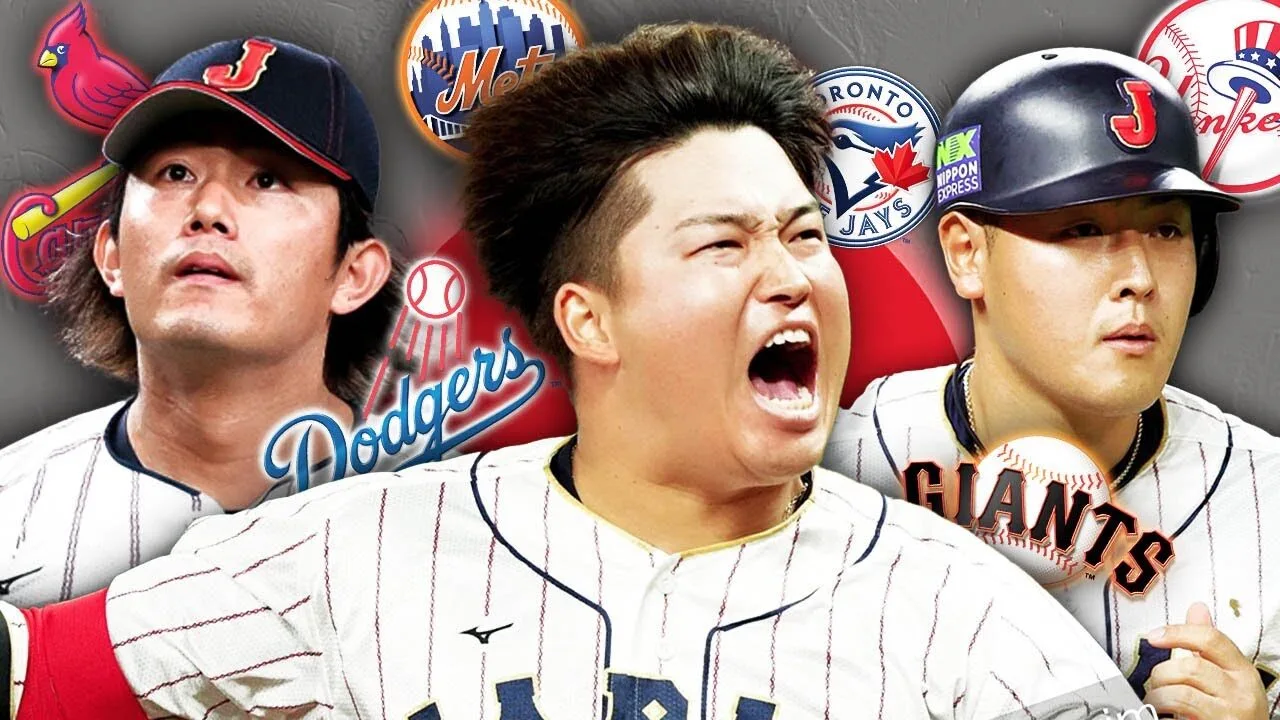
Baseball has long been one of Japan’s most important sports, deeply woven into school life, professional leagues, and national identity. In recent years, however, the relationship between Japan and Major League Baseball has entered a new phase. The idea of MLB in Japan is no longer limited to a few legendary figures but now represents a steady pipeline of elite talent moving between leagues. The 2025 season marked another major step forward, with several Japanese players signing with MLB teams and others positioning themselves for future moves. Together, these developments point toward a future where MLB in Japan feels less like an exception and more like a standard career path.

The conversation around MLB in Japan has expanded beyond pitchers alone. Position players, young prospects, and even two way talents are now being seriously evaluated by American organizations. This shift reflects not only changes in scouting but also a growing confidence among Japanese players that they can succeed on the world’s biggest baseball stage.
Japanese Stars Making the Jump to MLB
One of the biggest headlines connected to MLB in Japan this year was the move of Kazuma Okamoto. After years as a central figure for the Yomiuri Giants, Okamoto entered the posting system and signed with the Toronto Blue Jays. Known for his power, plate discipline, and durability, Okamoto represents a rare case of a Japanese position player arriving in MLB with star level expectations. His signing suggested that MLB teams are increasingly willing to invest heavily in Japanese hitters, not just pitchers.
Another major name shaping MLB in Japan is pitcher Tatsuya Imai. After posting dominant numbers in NPB and establishing himself as one of Japan’s most consistent starters, Imai signed with the Houston Astros. His move reinforced the idea that Japanese pitching remains one of the most valuable exports to MLB. Imai’s ability to command multiple pitches and maintain control over long outings fits well with the modern MLB emphasis on efficiency and adaptability.
These signings highlight a broader truth about MLB in Japan. Players are no longer crossing the Pacific late in their careers. Many are making the move while still in their prime, aiming to compete at the highest level rather than simply test themselves.
Established MLB Figures and Their Influence
Any discussion of MLB in Japan must include Shohei Ohtani. His success as a two way player has redefined what Japanese athletes are perceived to be capable of at the major league level. While Ohtani is a singular talent, his global visibility has created a ripple effect. Younger Japanese players now grow up believing that MLB success is achievable, not hypothetical.
Another name driving excitement around MLB in Japan is Roki Sasaki. After dominating NPB with elite velocity and control, Sasaki signed with the Los Angeles Dodgers and debuted during the Tokyo MLB Series. His presence in official MLB games played in Japan brought unprecedented attention to the league and showed fans what the future might look like when Japanese stars transition seamlessly into MLB environments.
The influence of these players goes beyond performance. They shape training methods, mental preparation, and even the willingness of young athletes to pursue overseas careers earlier than previous generations.
Younger Japanese Prospects Entering the System
Beyond established stars, MLB in Japan is increasingly shaped by younger players entering the league through unconventional routes. Itsuki Takemoto became a notable example after being drafted by the Oakland Athletics following his decision to skip the NPB draft. This path was once considered risky, but it now signals a growing openness to alternative development models.
Shotaro Morii is another young player drawing attention. As a two way prospect with both pitching and hitting potential, Morii signed with the Athletics and began his professional career in the United States. Players like Morii reflect a new mindset where Japanese athletes see MLB systems as viable places to develop rather than destinations reserved only for proven veterans.
This shift contributes to the long term growth of MLB in Japan by widening the pipeline of talent and diversifying the types of players making the move.
The Posting System and Its Growing Role
The posting system has become central to MLB in Japan. It allows Japanese players under contract with NPB teams to negotiate with MLB clubs while providing financial compensation to their original teams. Over time, this system has become more transparent and player friendly.
For Japanese teams, posting creates revenue and global exposure. For players, it offers agency and opportunity. And for MLB organizations, it opens access to a talent pool known for discipline, durability, and technical refinement. The result is a balanced ecosystem where MLB in Japan continues to grow without undermining domestic baseball.
Speculation surrounding future posting candidates remains intense. Players like Munetaka Murakami have already demonstrated how much anticipation surrounds top Japanese talent even before an official MLB move is announced.
MLB Games Played in Japan
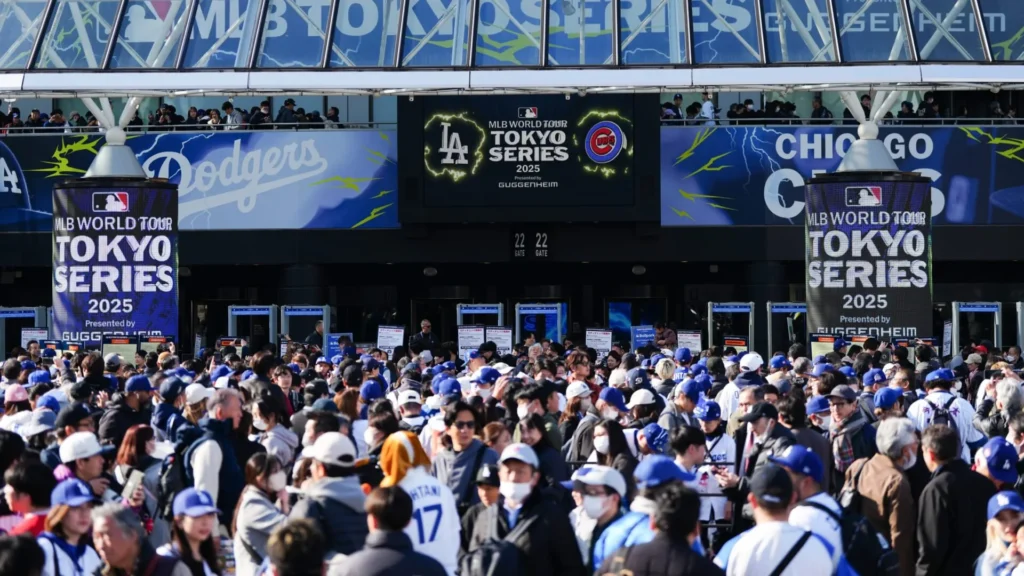
Another important factor in the rise of MLB in Japan is the decision to stage official MLB games in Tokyo. The Tokyo MLB Series allowed Japanese fans to watch regular season games without leaving the country. This experience blurred the line between domestic and international baseball and made MLB feel closer than ever.
For players, these games offer emotional significance. Japanese athletes competing in front of home crowds while wearing MLB uniforms symbolize how integrated the two baseball cultures have become. For fans, it reinforces the idea that MLB is not distant or foreign but connected directly to Japan’s baseball story.
World Baseball Classic and Global Visibility
International competition has played a key role in expanding MLB in Japan. The World Baseball Classic showcases Japanese talent against the world’s best and consistently highlights the country’s depth and versatility. Strong performances on this stage often accelerate MLB interest in Japanese players.
The WBC also strengthens domestic pride and increases media coverage, making Japanese players global figures before they ever sign MLB contracts. This visibility contributes to the momentum behind MLB in Japan and ensures continued scouting attention.
Youth Baseball and Changing Aspirations
Japan’s youth baseball system remains one of the most competitive in the world. High school tournaments like Koshien still command massive audiences, but the dreams of young players are evolving. While NPB remains a prestigious goal, MLB is now firmly part of the conversation.
Training programs increasingly incorporate physical conditioning, pitch tracking, and international exposure. English education and overseas camps have become more common, reflecting preparation for MLB environments. These changes suggest that MLB in Japan will continue to grow organically from the grassroots level.
The Future of Baseball in Japan
Rather than weakening domestic baseball, MLB in Japan has added a global dimension to an already rich sports culture. NPB continues to thrive, producing stars who either remain local heroes or eventually test themselves abroad. Fans now follow both leagues closely, tracking Japanese players across continents.
The future likely holds even more collaboration. Shared training philosophies, joint events, and continued international play will deepen the connection. As more Japanese players succeed in MLB, the pathway becomes clearer and more accepted.
Conclusion
The current era of MLB in Japan reflects decades of gradual change reaching a tipping point. With players like Kazuma Okamoto and Tatsuya Imai making major league moves, young prospects entering MLB systems earlier, and official games being played in Tokyo, the relationship between Japanese baseball and MLB feels stronger than ever.
MLB in Japan is no longer about isolated success stories. It is about infrastructure, opportunity, and shared culture. As the next generation rises, Japan’s influence on Major League Baseball will only continue to expand, shaping the sport on a truly global scale.