No products in the cart.


2026 in Japan: Politics, Economy, Culture, and Society at a Turning Point

As the country moves deeper into the second half of the decade, 2026 in Japan is shaping up to be a pivotal year. After years of slow recovery, demographic pressure, and global uncertainty, Japan stands at a crossroads where long standing systems are being tested and reimagined. From political reform and economic recalibration to cultural shifts and social change, 2026 in Japan will reflect both continuity and transformation. While Japan remains cautious by nature, the forces shaping this moment suggest that quiet but meaningful changes are underway.

Political Landscape and Leadership Direction
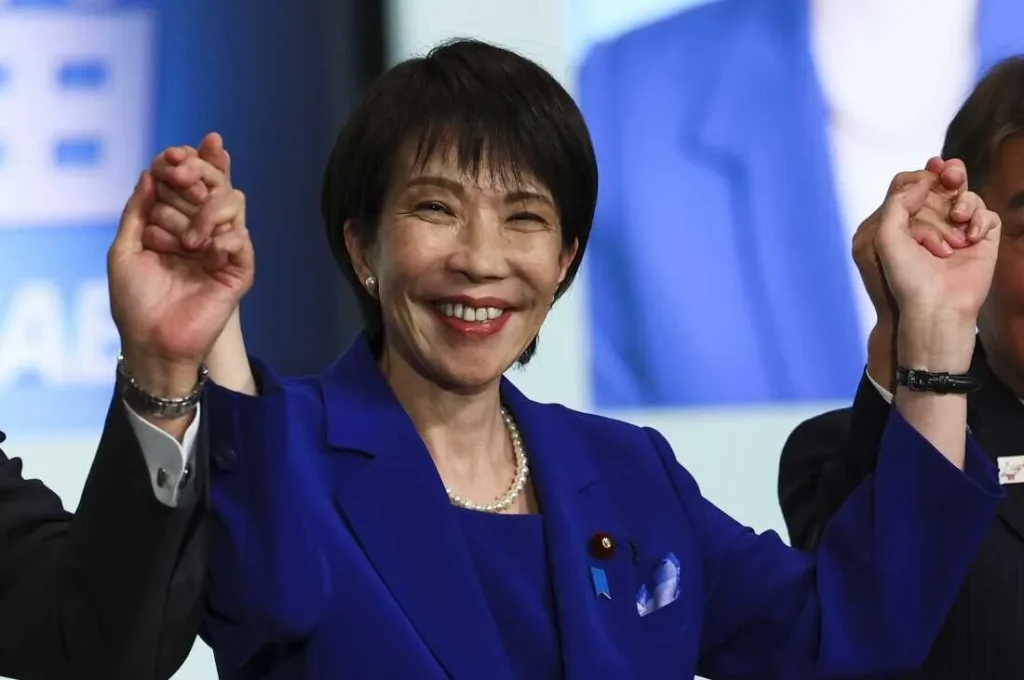
Politics in 2026 in Japan will be defined by stability on the surface and tension underneath. Japan’s political system has long favored continuity, incremental reform, and consensus building. However, public trust in politics continues to face challenges, particularly among younger voters who feel disconnected from traditional power structures.
Key political issues in 2026 in Japan are expected to include defense policy, constitutional interpretation, and relations with neighboring countries. Japan’s evolving security posture will remain a central topic, especially as regional dynamics in East Asia continue to shift. Discussions around defense spending, alliance coordination, and emergency preparedness are likely to intensify, even if dramatic policy changes remain unlikely.
Domestic political focus will also include governance reform, digital transparency, and the role of women in leadership. While progress has been slow, pressure from both the public and international observers continues to push Japan toward broader representation and modernization of political institutions. 2026 in Japan may not bring radical political change, but it will likely solidify the direction of reform that began earlier in the decade.
Economic Outlook and Structural Challenges
The economy will be one of the most closely watched areas in 2026 in Japan. Years of low growth, a weak yen, and rising living costs have reshaped how people think about work, consumption, and financial security. While tourism and exports have benefited from currency conditions, domestic households have felt increasing pressure.
Inflation, once considered unlikely in Japan, has become part of everyday conversation. In 2026 in Japan, policymakers will continue balancing wage growth with price stability. Companies face pressure to raise salaries, especially as labor shortages worsen due to the aging population. The outcome of this balance will strongly affect consumer confidence and long term economic health.
Another major factor shaping 2026 in Japan is technological investment. Japan continues to invest heavily in automation, robotics, and artificial intelligence to compensate for workforce decline. These technologies are not only reshaping factories but also healthcare, logistics, and retail. The success of these efforts will influence whether Japan can maintain productivity while supporting an aging society.
Startups and innovation hubs are also gaining more attention. While Japan has traditionally favored large corporations, recent years have seen increased support for smaller, more flexible businesses. In 2026 in Japan, this shift may become more visible as younger entrepreneurs redefine what economic success looks like.
Social Change and Demographic Reality
Social issues sit at the core of 2026 in Japan. The country’s demographic challenges are well documented, but their impact is becoming more visible in daily life. Fewer children, more elderly citizens, and shrinking rural populations continue to reshape communities.
One major theme in 2026 in Japan will be how society adapts to these changes. Local governments are experimenting with shared services, remote work incentives, and community based care models. Urban areas may continue to grow denser, while smaller towns face difficult decisions about consolidation and sustainability.
Immigration will remain a sensitive but unavoidable topic. As labor shortages affect industries from construction to caregiving, Japan is gradually expanding pathways for foreign workers. Public opinion remains mixed, but economic necessity continues to push policy forward. In 2026 in Japan, conversations about coexistence, language access, and social integration will likely become more mainstream.
Family structures are also evolving. Later marriages, fewer children, and changing gender roles are slowly reshaping expectations. Younger generations increasingly prioritize personal fulfillment and work life balance over traditional milestones. These shifts may not dominate headlines, but they deeply influence how society functions in 2026 in Japan.
Cultural Trends and Creative Expression
Culturally, 2026 in Japan is expected to be vibrant and outward facing. Japanese pop culture remains one of the country’s strongest global exports, from anime and music to fashion and gaming. What is changing is how creators engage with global audiences.
More artists are collaborating internationally, blending Japanese aesthetics with global influences. Social media and streaming platforms continue to reduce barriers, allowing niche scenes to reach worldwide audiences. In 2026 in Japan, cultural output will likely feel more diverse and less constrained by domestic expectations.
At the same time, there is renewed interest in local identity. Regional festivals, crafts, and food culture are being rediscovered by younger people seeking connection in an increasingly digital world. This balance between global reach and local roots defines much of the cultural mood heading into 2026 in Japan.
Museums, live houses, and performance spaces are also adapting. Hybrid events that mix physical attendance with online participation are becoming more common. This approach allows culture to remain accessible while adjusting to changing lifestyles.
Technology and Daily Life
Technology continues to quietly shape daily life in 2026 in Japan. Cashless payments, digital government services, and smart infrastructure are becoming more normalized, even among older generations. While Japan was once criticized for slow digital adoption, steady improvements are visible.
In healthcare, technology plays a growing role in elder care and medical access. Remote consultations, monitoring devices, and AI assisted diagnostics are becoming part of standard care models. These tools are essential to managing the realities of 2026 in Japan, where healthcare demand continues to rise.
Education is also evolving. Schools are integrating digital tools and international perspectives, though challenges remain in balancing tradition with innovation. Language education, critical thinking, and global awareness are gaining importance as Japan prepares younger generations for a more interconnected world.
Japan’s Role in the World
Internationally, 2026 in Japan will reflect a country seeking balance. Japan remains a key economic and diplomatic player, emphasizing stability, cooperation, and long term relationships. Its role as a bridge between regions continues to shape foreign policy and trade strategy.
Japan’s soft power remains strong. Cultural exports, tourism, and global goodwill contribute to its influence in ways that extend beyond politics or economics. As global uncertainty persists, Japan’s image as a safe, reliable, and culturally rich country continues to attract attention.
Environmental responsibility is another growing focus. Climate adaptation, disaster preparedness, and sustainable development are increasingly integrated into national planning. In 2026 in Japan, these concerns will be less about future planning and more about immediate action.
Conclusion
Looking ahead, 2026 in Japan represents a moment of adjustment rather than upheaval. Political continuity, economic recalibration, cultural creativity, and social adaptation define this period. The changes underway may appear subtle, but together they reflect a society responding thoughtfully to complex challenges.
2026 in Japan will not be about sudden transformation. It will be about how Japan refines its systems, redefines its priorities, and navigates an uncertain world with characteristic patience. In that sense, the year ahead offers a clear view of where Japan is headed, grounded in tradition but shaped by necessity and change.