No products in the cart.


How People in Japan Spend the Holidays and Why It Feels So Different From the West
INTRODUCTION TO HOLIDAYS IN JAPAN
When people imagine holidays, they often think of long breaks, big family gatherings, and a clear pause from work. In Japan, holidays work very differently. Understanding how people in Japan spend the holidays helps explain the country’s work culture, social values, and everyday rhythm. Instead of one long vacation season, Japan spreads its holidays across the year, mixing tradition, modern life, and short periods of rest.

NEW YEAR AS THE MOST IMPORTANT HOLIDAY
When looking at how people in Japan spend the holidays, New Year stands above all others. From late December to January 3, many offices and small businesses close, and the pace of daily life slows down. Families return to their hometowns, a movement known as kikansha, filling trains and highways. Traditional foods like osechi ryori and ozoni soup appear on tables, and shrine visits called hatsumode draw millions of people. Even those who are not religious take part, showing how deeply rooted this holiday is in Japanese culture.
GOLDEN WEEK AND SHORT BURSTS OF TRAVEL
Golden Week plays a major role in how people in Japan spend the holidays. Taking place from late April to early May, it combines several national holidays into a short window. For many workers, it is one of the few chances to take several days off in a row. Travel during Golden Week is intense. Trains and airports become crowded, hotel prices rise, and popular destinations fill quickly. Some people choose to stay home to avoid congestion, while others see it as their main chance to travel.
SUMMER HOLIDAYS AND OBON TRADITIONS
Summer shows another side of how people in Japan spend the holidays. Many companies offer a few days off in August, often tied to Obon. Obon is a Buddhist event focused on honoring ancestors.People clean family graves, return to their hometowns, and attend local festivals with dances and lanterns. Cities feel quieter as residents leave, and rural areas come alive with seasonal events.
CHRISTMAS AS A ROMANTIC AND COMMERCIAL EVENT
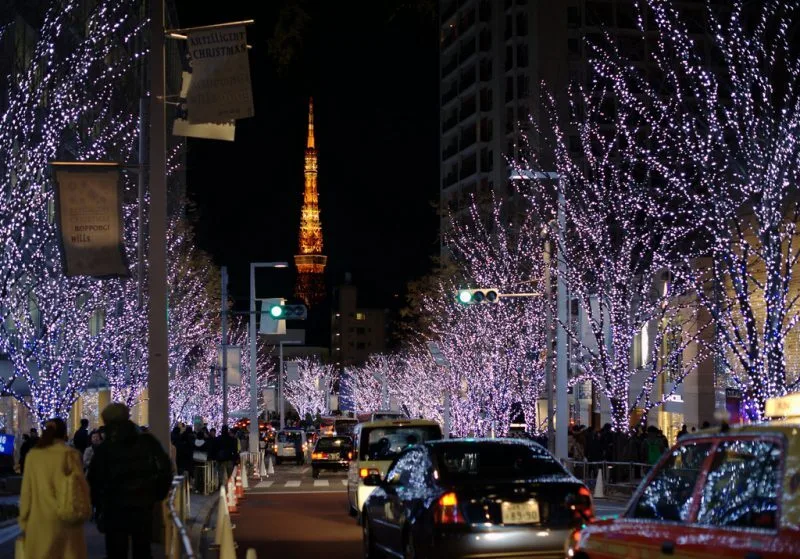
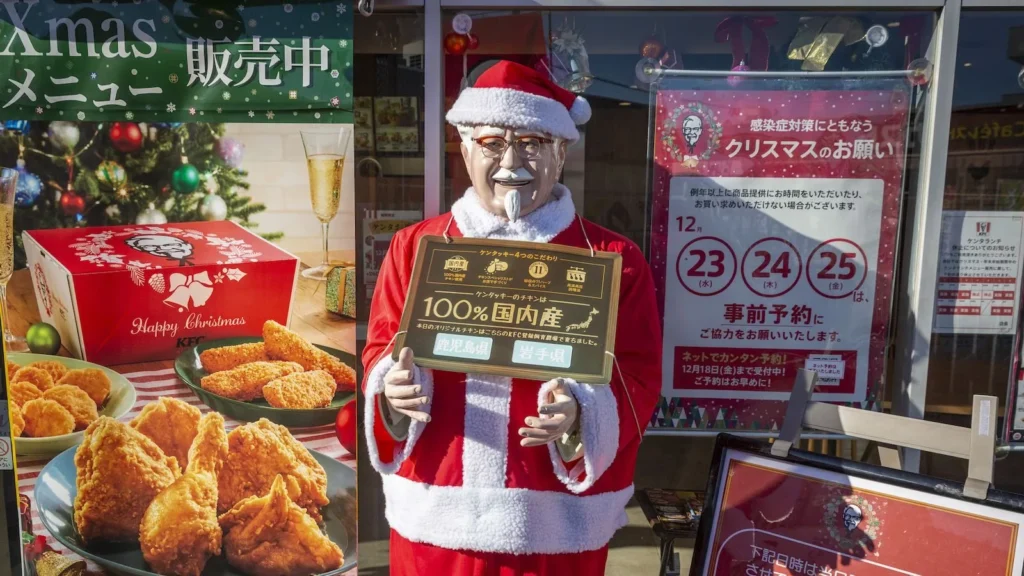
Christmas is one of the clearest examples of how people in Japan spend the holidays differently from Western countries. December 25 is not a public holiday, and most people work as usual. Instead of family gatherings, Christmas is treated as a romantic occasion. Couples go out for dinner, exchange gifts, and eat symbolic foods like fried chicken and strawberry shortcake. The holiday feels festive but does not interrupt daily routines.
NATIONAL HOLIDAYS AND QUIET DAYS OFF
Japan has many national holidays spread throughout the year, creating three day weekends rather than long breaks. These days are often spent resting at home, shopping, or enjoying hobbies. Large celebrations are uncommon. Instead, the value lies in having a short pause from work. This pattern is central to understanding how people in Japan spend the holidays.
WORK CULTURE AND LIMITED TIME OFF
Work culture strongly influences how people in Japan spend the holidays. Many workers receive limited paid leave, and social pressure can make it difficult to take long vacations. As a result, holidays are carefully planned. Travel is often short and domestic, and rest may happen at home rather than far away. Even during holiday periods, some people continue working remotely.
HOLIDAYS FOR SINGLES AND URBAN LIFE
In major cities, not everyone returns home for the holidays. Many young people and singles stay where they live. For them, holidays may mean meeting friends, visiting cafes, or enjoying quieter streets. Being alone during holidays carries less stigma than in some cultures. This urban experience reflects changing lifestyles and is another key part of how people in Japan spend the holidays.
THE EMOTIONAL TONE OF HOLIDAYS IN JAPAN
The emotional tone of holidays in Japan tends to be calm and reflective. Rather than loud celebrations, there is a focus on atmosphere, seasonal food, and small moments of rest. Even short breaks are treated as a chance to reset mentally, shaping how people in Japan spend the holidays year after year.
WHY HOLIDAYS IN JAPAN FEEL UNIQUE TO VISITORS
For visitors, how people in Japan spend the holidays can feel surprising. Shops stay open on Christmas, trains are packed during Golden Week, and New Year feels deeply traditional. These contrasts come from a blend of history, work expectations, and social values, making Japan’s holiday culture feel unique.
CONCLUSION
Looking at how people in Japan spend the holidays reveals a society that values balance over excess. Instead of long vacations, there are short pauses. Instead of loud celebrations, there are quiet traditions. From New Year shrine visits to Golden Week travel rushes, each holiday reflects how Japan fits rest and meaning into a busy life.