No products in the cart.

Culture Shocks in Japan: The First Surprises Travelers Should Be Ready For

Introduction
For many travelers, Japan feels familiar before they even arrive. Anime, food videos, fashion, and travel reels create a strong image of what the country is like. But landing in Japan often brings a wave of small surprises that add up quickly. These moments are not bad, but they can feel confusing or overwhelming at first. Understanding culture shocks in Japan before your trip can make the experience smoother and more enjoyable. Below are some of the most common culture shocks in Japan that visitors face during their first days in the country.

Silence in Public Spaces
One of the earliest culture shocks in Japan is how quiet public spaces are. Trains, buses, and even crowded platforms often feel calm and controlled. People rarely talk on the phone, and conversations stay low. This can feel strange for travelers used to louder cities. This silence is rooted in respect for others. Noise is seen as something that disturbs shared space. Once travelers adjust, many begin to enjoy how peaceful daily movement feels. Understanding this part of culture shocks in Japan helps visitors blend in and avoid standing out unintentionally.
Personal Space and Distance
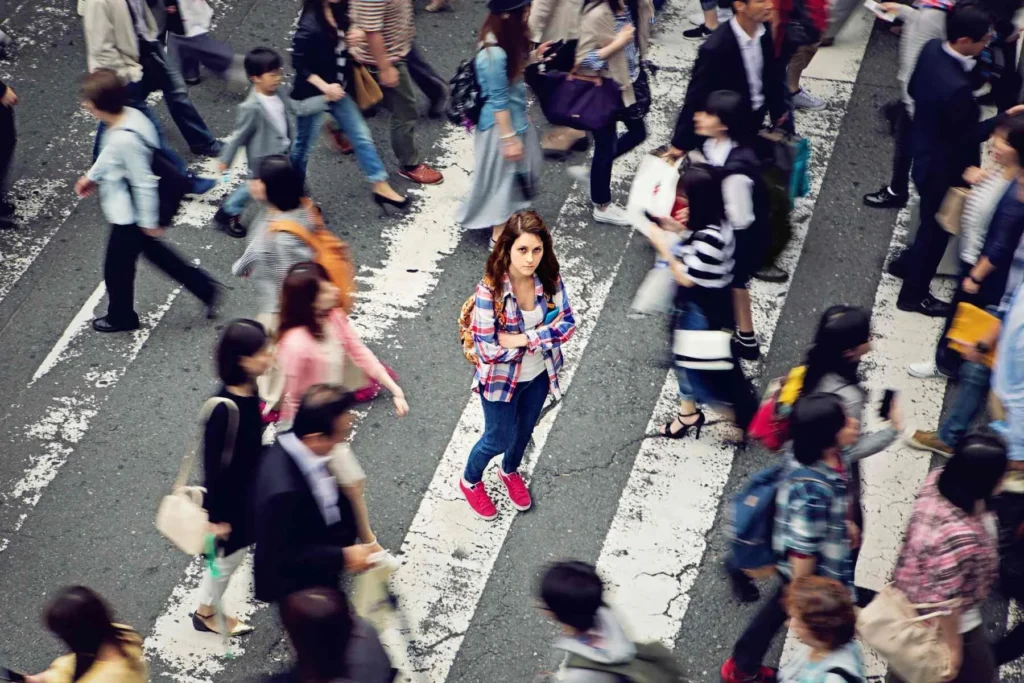
Japan is crowded, yet people are careful not to invade personal space. Even during rush hour, physical contact is minimized as much as possible. Eye contact with strangers is limited, and people often avoid direct interaction unless necessary. For some visitors, this distance can feel cold or unfriendly at first. In reality, it is a form of politeness. This difference in social behavior is one of the more subtle culture shocks in Japan and takes time to understand.
Rules Everywhere and Unspoken Ones Too
Japan has many rules, and many of them are not written down. Where to stand on escalators, how to line up for trains, and where to place your trash are all governed by shared understanding.Travelers often struggle with trash disposal, since public trash cans are rare. Carrying trash until you get home or find the right bin is normal. These small systems are a major part of culture shocks in Japan and can feel stressful until you learn the flow.
Customer Service That Feels Extreme
Customer service in Japan is often shocking in a positive way. Staff bow, speak politely, and go out of their way to help. Even convenience store workers treat each interaction with care.For travelers, this level of service can feel almost uncomfortable at first. You may feel pressure to respond perfectly or politely. This dynamic is another example of culture shocks in Japan where respect shapes daily life more than many visitors expect.
Cash Culture in a High Tech Country
Japan is known for technology, yet cash is still widely used. Small restaurants, local shops, and ticket machines often accept only cash. This can surprise visitors who expect contactless payment everywhere.This contrast between modern image and traditional habits is one of the most talked about culture shocks in Japan. Carrying cash is still part of daily life, especially outside major cities.
Eating Etiquette and Food Culture
Food is a major source of culture shocks in Japan. Slurping noodles is acceptable and even encouraged, while eating while walking is often frowned upon. Tipping does not exist and can confuse or offend staff. Restaurants may specialize in one dish only, and customization is limited. This structure reflects pride in craft rather than convenience. Learning these habits helps travelers avoid awkward moments tied to culture shocks in Japan.
Work Culture Visibility
Even visitors notice Japan’s work culture quickly. Office workers stay late, trains are full late at night, and exhaustion is visible. This can be shocking for travelers from countries with stronger work life balance. This does not mean every Japanese person agrees with this system, but it is deeply rooted. Seeing this firsthand is often one of the more emotional culture shocks in Japan for visitors.
Bathrooms That Surprise Everyone
Japanese bathrooms are famous for a reason. Heated seats, sound masking, and detailed controls often surprise first time visitors. At the same time, some older restrooms still use squat toilets. This contrast within the same country adds to the list of culture shocks in Japan. It shows how tradition and innovation exist side by side.
Communication Style and Indirect Language
Japanese communication tends to be indirect. Saying no directly is often avoided, and answers can be vague. For travelers, this can be confusing, especially when asking for help or directions. A polite response does not always mean agreement. Learning to read tone and context is essential. This communication gap is one of the most challenging culture shocks in Japan for many visitors.
Social Drinking and After Work Culture
Alcohol plays a big role in social bonding. Office workers often drink together after work, and behavior during these outings can be very different from daytime manners. Seeing quiet coworkers become loud or emotional at night surprises many travelers. This shift is another side of culture shocks in Japan that reflects the pressure release built into society.
Being a Foreigner in Public
Foreigners often notice they stand out. Stares are common, especially outside major cities. This is usually curiosity rather than hostility. At the same time, some travelers experience avoidance, such as empty seats next to them on trains. This can feel uncomfortable, but it is often rooted in language anxiety rather than dislike. These moments are some of the most discussed culture shocks in Japan among visitors.
Why These Culture Shocks Matter
Culture shocks in Japan are not signs of something wrong. They are signs of a society that operates on different values. Order, harmony, and respect guide daily behavior more than personal expression. Travelers who approach these differences with patience usually find their experience becomes richer. What feels strange on day one often feels comforting by the end of the trip.
Preparing Yourself Before You Go
Reading about culture shocks in Japan helps set realistic expectations. Observing others, staying polite, and accepting mistakes goes a long way. Japanese people are generally forgiving toward visitors who try.Japan rewards curiosity and humility. Once you understand the rhythm of the country, those early culture shocks in Japan become part of the story you will remember most. In the end, culture shocks in Japan are not obstacles. They are gateways into understanding how deeply culture shapes everyday life.